

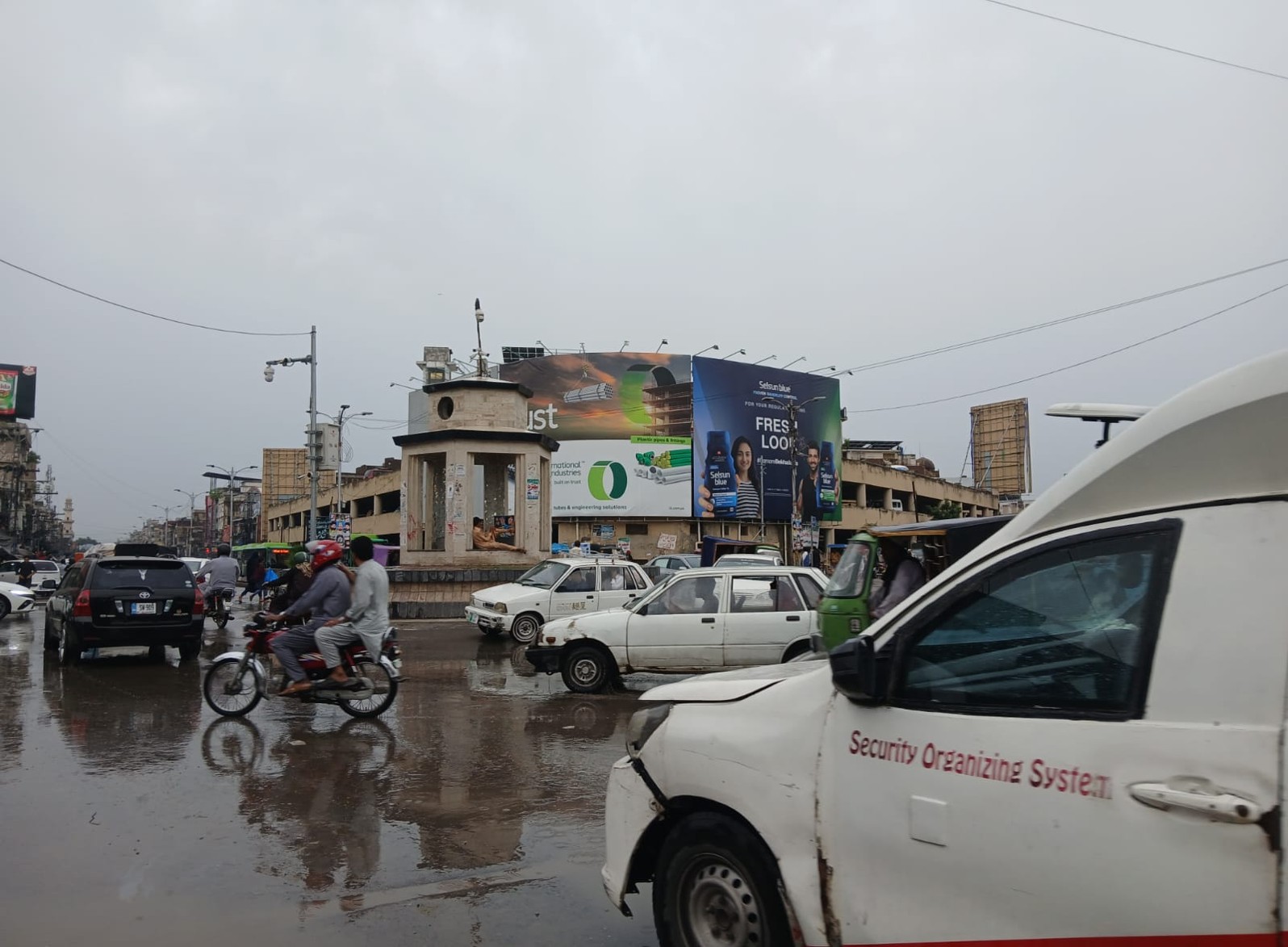
Planning Your OOH Campaign
A well-planned outdoor advertising campaign can deliver exceptional brand recall and measurable business results. Here is a proven 6-step framework used by top brands on AdHubAI.
Step 1: Define Your Campaign Objectives
Start by clearly defining what you want to achieve. Common OOH campaign objectives include:
- Brand awareness in a new city
- Product launch visibility
- Retail store footfall
- Seasonal promotions (Diwali, cricket season, etc.)
- Reinforcing digital campaigns
Step 2: Identify Your Target Audience
Match your media selection to where your audience travels. Key audience segments for OOH include commuters, shoppers, office-goers, students and highway travellers. Each segment is better reached through specific media types and locations.
Step 3: Select Your Geographies
Pakistan is diverse — a campaign that works in Mumbai may need adaptation in Jaipur. Start with 2-3 priority cities where your brand has the strongest potential. Use AdHubAI's city-level analytics to understand reach and pricing before finalising.
Step 4: Choose the Right Media Format
Match format to objective:
- Brand building: Large hoardings, unipoles on highways
- Retail drive: Bus shelters, traffic kiosks near stores
- Premium targeting: Airport advertising, mall screens
- Digital-OOH: LED screens for product launches and promotions
Step 5: Budget Allocation
A typical OOH campaign budget breakdown: 70% media cost, 15% printing/production, 10% mounting/logistics, 5% monitoring. Factor in 18% GST on media costs.
Step 6: Creative Execution
OOH creative must work at 80kmph. Follow the 3-second rule: your message must be understood in 3 seconds. Use large fonts, high contrast and a single clear CTA. Avoid cluttered designs.
Measuring Results
Use AdHubAI's campaign dashboard to track impressions, monitor installation confirmation and receive post-campaign reports. For brand recall, combine OOH with a simultaneous digital survey.